

The conviction of Scott White in the decades-old death of Scott Johnson is drawing scrutiny amid concerns over covert tactics, ethical ambiguity and suppressed evidence, writes DrRosemary Sorensen.
DOES THE END justify the means? What if the end is not an end at all, just a convenience? Does it matter that a man is in gaol and prefers to be there for a crime that was proven through unreliable and unethical means?
When so much is unsettling our sense that justice is well served by democratic institutions, the case ofScott White, the man convicted of manslaughter 30 years after the death of Scott Johnson in Manly, does not seem urgent. And yet, the questions it raises are part and parcel of the crucial challenges to what now appears to be the complacent ethics that have rusted the core of societal value systems.
If we dont feel, as one barrister is quoted as saying, disquieted by the implications of both the way Whites guilty plea was made and also the uncritical acceptance of the conviction based on that, are we guilty of accepting, as law professorJeremy Gansputs it, a satisfying resolution because its convenient to do so?
Here's the case. And its complicated.
Morals versus ethics: Australia's flawed justice systemOur nation's justice system is in need of reform when children are being imprisoned and corporations are getting away with robbery.
Lets start with the first line from anABC News reporton 2 May 2022:
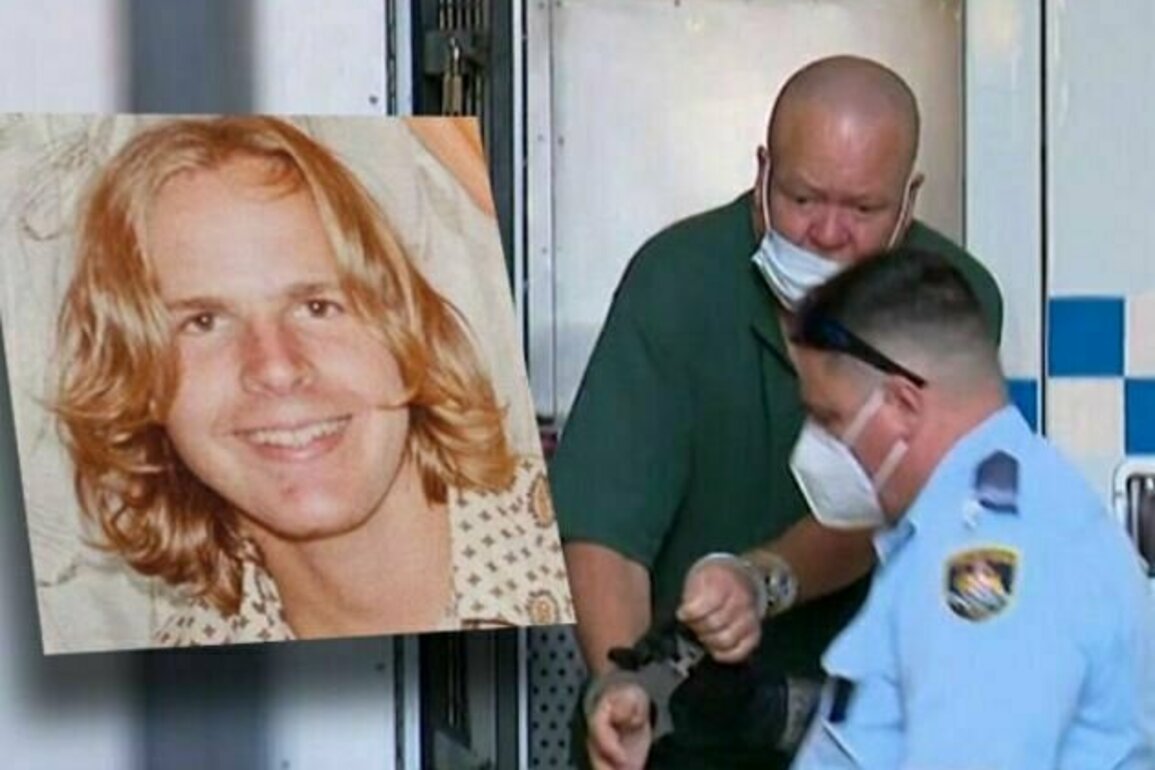
The story was accompanied by an image of then 51-year-old Scott White in custody and a jubilant Steve Johnson, the brother of Scott Johnson, who had been found dead at the base of a cliff near Manlys North Head in Sydney in 1988.
White was arrested by NSW police in 2020, following an undercover operation prompted by a tip-off by his former wife. The arrest also followedthree years of extensive reviewsby Strike Force Parrabell into deaths between 1976 and 2000, which were suspected gay-hate crimes.
It appeared and certainly reports such as that ABC one from May 2022 underlined that something had finally changed. Finally, NSW police were taking the deaths of gay men as seriously as other homicides. Finally, after 30 years, Scott Johnsons murderer was called to account.
Possibly. Or, as a new account of the Scott Johnson case suggests, possibly not.
Eren Orbeys 13 OctoberNew Yorkerarticle, formerly titled Did a brothers quest for justice go too far?, follows on from and quotes law professor Jeremy Gans June 2023 article inInside Story, Scotts Justice.
Gans was interrogating the findings of the fifth high court judge who had presided over the case. He begins his interrogation by pointing out that every previous finding was different, and none of the previous four [death by suicide, gay-hate murder] stood the test of time. Will the fifth? Im not sure what I hope will happen.
Tracing the story of the death of Scott Johnson from December 1988, when a body was found on rocks at Blue Fish Point, through to JudgeBeech-Jonessentencing of White for manslaughter, Gans ended his essay pessimistically.
Law enforcement reform starts with tackling minor crimesA law enforcement theory developed in the U.S. that sees tougher penalties for minor offences could pave the way for reducing crime in Australia.
In light of the way White confessed to undercover police and because evidence from the undercover operation is not allowed to be published in Australia, Ganswrote:
It's that missing evidence that forms the basis of Eren Orbeys New Yorker article. He was able to get access and publish outside the jurisdiction where the suppression is in place.
However, rather than further implicate White as Gans had hoped (for the sake of justice and the integrity of the courts), it throws more doubt over his guilty plea, his hesitant confession to the undercover agents that he pushed Scott Johnson and caused his fall and the fifth judges conclusion that finally the court has succeeded.
Orbeys concern is highlighted in that headline: Did a brothers quest for justice go too far? The reports written here in Australia underlined Steve Johnsons extraordinary tenacity and how he believed that his brother could not have killed himself, which forced the police and the courts to reopen the case time after time.
Orbey, speaking first to Steve, then to Scotts partner at the time of his death, Michael Noone, discovered they were at odds over Scotts likelihood of suicide:
Orbey then details how Steve wrote in a memoir about having been suspicious of several people, including one of the two fishermen who found the body. And he mentions the million dollars that Steve adds to the million already announced by NSW Police for information that would lead to Scotts murderer, but, unlike the references in Australian media, he calls this a fake additional million-dollar reward of his own money.
This is now 2020, two years after the report recommending action from police to investigate gay-hate crimes previously dismissed. The review, which had begun in 2015, was supported by the Homicide Squads Unsolved Homicide Unit, according to theStrike Force Parrabellinformation provided by NSW Police the same unit that had, in 2012, rated the Johnson case as having zero solvability.
AnABC reportfrom September 2023 notes that a detective sergeant had conducted a review of the case and stated that without developing further lines of inquiry, the case could not be developed. The solution, according to this detective sergeant, was to target known persons of interest, which may produce further lines of inquiry and enable covert opportunities to gather information.
Broken justice system leaves victims neglectedFrom tasering the elderly to gross misconduct in a major sexual assault trial, this week has revealed massive flaws within our justice system.
Both Orbey and Gans focus on this covert operation and the method used by the undercover police to extract a confession from Scott White.
Ganswrites:
Orbey writes that White told the undercover police officer that hed dreamed about being at North Head with Johnson and his story includes direct quotes from the interchanges, which, says Orbey, show how scant and inconsistent Whites recollections were.
Orbeywrites:
Clearly, the disquiet rankles.Rick Feneley, whose articles inThe Sydney Morning Heraldwere important in bringing pressure to bear on the NSW police to acknowledge their failures and bias against LGBTIQ victims, told Torbey that great dissatisfaction remained.
As for the celebratory relief in LGBTIQ groups and the wider society that police prejudice was as this case appeared to prove being addressed, so far, while rewards of $100,000 each were announced for information about three of the cases recommended for review in the Strike Force Parrabell report, Scott Whites conviction appears to be unique.
Heres the kicker: In the final paragraph of his article, Orbey writes:
In Cessnock prison, White was sober and received medication, and he told Orbey that, through the reward money paid to his former wife for the information she gave police, he was indirectly providing for his family. Up for parole next year, he explained he hoped to find a way to stay in prison indefinitely.
When Jeremy Gans titled his Inside Story article Scotts justice, he got it ambiguously and perfectly right.
DrRosemary Sorensenis an IA columnist, journalist and founder of the Bendigo Writers Festival.