

A year of government inaction on regional bank closures has left rural Australians without answers or services, writesDale Webster.
ONE OF THE MOST IMPORTANT Federal Government inquiries into welfare issues specific to regional Australia in decades handed down its final report a year ago this week.
The Senate inquiry into regional bank closures spanned 15 months, held 13 hearings across Australia and received more than 600 submissions. It delivered eight recommendations at the end that the senators felt were required to fix the humanitarian crisis they could see unfolding not only in regional areas, but also in the suburbs of our capital cities.
Yet a year on, despite the Government being required to make a formal response within 90 days of tabling, the recommendations are still languishing in a no-mans-land of neither being accepted nor rejected.
Inquiry finds banks playing a dangerous gameThe Senate Inquiry into regional bank closures determined that greed resulted in banks not only posing dangers to customers but the environment as well.
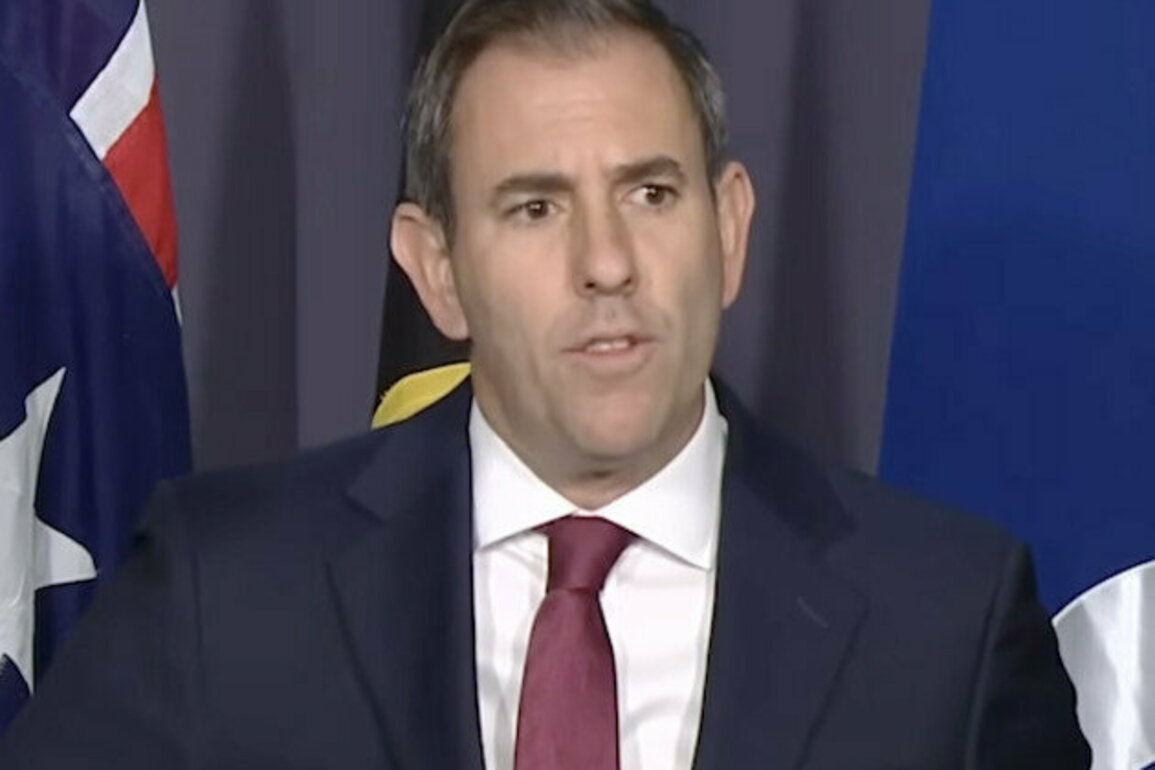
The Government clearly did not want this to be an election issue. A series of announcements were made by TreasurerJim Chalmersbefore the polling date was set. This ensured the key planks of the Senate committees solution to the problems presented to them were not something Chalmers was going to have to deal with at such a critical time.
Instead of:
- formal moves towards establishing a publicly owned bank;
- banking being recognised as an essential service;
- a commitment to guaranteeing reasonable access to cash and financial services; and
- an independent Banking Code of Conduct.
All we have is another moratorium on closures, with ANZ, the Commonwealth Bank, NAB and Westpac promising not to close any more regional branches until 31 July 2027.
This was the same move they pulled after the last regional banking inquiries more than 20 years ago in an attempt to restore their trashed reputations, the only difference this time being that they have let the treasurer think it was his own idea.
The following is an excerpt from the 'Money Too Far Away' report from the Hawker regional banking inquiry in 1999:
Ashistoryshows, solutions put in place were scrapped after the moratorium periods ended, resulting in some of the most significant cuts to financial services ever seen in regional Australia.
Dr Chalmers also played into bank hands particularly NABs by announcing he had negotiated for an expansion ofBank@Postagreements rather than accept the Senate committees recommendation to investigate a government-owned postal bank model.
In 2002, NAB wassingledout for special mention in NSW parliament for forcing loyal customers to use post offices claiming that there will be no loss of services when this was clearly not the case.
It did the same throughout the latest Senate inquiry, continually trying to justify closing branches by saying the same services could be found at post offices, which was disproven in other evidence.
Witnesses also told of safety and privacy concerns, high charges for basic services and major issues with cash access when banking at post offices.
Dr Chalmers announcement made in joint press conference with theAustralian Banking Associationacknowledged none of these details and smacked of the false premise that Bank@Post was an equitable alternative to a full-service bank branch.
The most damaging proposal of all from Dr Chalmers pre-election however, was a cash mandate that will give express permission for 98 per cent of Australian businesses to refuse cash a trigger that could set the country on acoursetocashlessnessfaster than anything the banks could have hoped for through their actions alone.
Each one of these moves the moratorium, the Bank@post deal, exempting small businesses from a cash mandate has the hallmarks of decisions made by someone having their strings pulled by a smarter, faster opponent.
Considering Dr ChalmerstoldtheAustralian Financial Reviewin 2022 that Australian Banking Associations Anna Bligh was one of his greatest confidants, this should come as no surprise. (Ms Bligh would later distinguish herself during the Senate hearings with an admission she didntreada single submission while a member of the Morrison Governments regional banking taskforce.)
In the same article, Dr Chalmers listed multi-millionairesMatt Comynfrom the Commonwealth Bank and former NAB bossRoss McEwanas the people he relied on most during the pandemic for real-time intelligence on how lockdowns were affecting people running shops and businesses.
And he didnt see where the problem was with this.
New broom
The government response to the senate inquiry report is now officially 279days overdue.
Regardless of Dr Chalmers interference, a response still needs to be tabled.
Former Financial Services MinisterStephen Joneswas supposed to have done the work but after his retirement from parliament at this years election, the job now falls to his replacementDaniel Mulino.
While Mr Jones had no finance or economics background, Dr Mulino is a Yale-educated economist who studied under Nobel Prize for Economics winnerRobert Shiller.
He also chaired the House economics committee in the last parliament.
ANZ abandons business model to go cashlessANZ's push to go cashless is leaving questions as to what even defines a bank and begging for government intervention.
In addition to his academic credentials, Dr Mulino also has a strong social conscience.
As the author ofSafety Net: The Future of Welfarein Australia published in 2022, he wrote of 'getting better outcomes for vulnerable individuals' by addressing systematic risk.
He makes the case for welfare, 'not as an act of charity but as an investment', according toBill Keltyin the books foreword.
He examines risk sharing in agricultural societies, modern village economies and even families and discusses at length the benefits of income-contingent loans as a public policy tool.
Dr Mulino writes:
Surely a publicly owned bank has a significant role to play in supporting and developing the type of social insurance Dr Mulino is advocating for?
The formation of an expert panel to undertake a feasibility study into the proposal (recommendation two) is the perfect opportunity to also address the role a government bank could play in mitigating some of the systematic risks Dr Mulino discusses in his book.
With the Greens, who again hold the balance of power in the Senate, formally supporting the establishment of a public bank, and Nationals leaderDavid Littleproudon record saying before the election that the Coalition would act on the senate inquiry recommendations if it won government, this report cannot be ignored any longer without some serious questions being asked about the Albanese government wasting public funds on the 15-month inquiry.
The silver lining in this delay may be that we now have a Financial Services Minister who understands both political and economic benefits can flow from supporting the vulnerable rather than leaving them behind.
Dale Websteris an inauguralrecipientof a Walkley FoundationGrant for Freelance Journalism on Regional Australia. This article was originallypublishedonThe Regionaland has been republished with permission.You can follow Dale@TheRegional_au.